


 English
Livestock glossary
Short, clear definitions of terms commonly used in dairy and beef cattle farming.
- Rumen
- The largest compartment of the cow’s four-chambered stomach, where feed is fermented by microorganisms.
- Reticulum (honeycomb)
- The second stomach compartment, connected to the rumen. Heavy objects settle between the rumen and the reticulum.
- Rumen bolus (reticulo-rumen bolus)
- A sensor given to the cow orally by a veterinarian that stays in the rumen and continuously measures data such as body temperature and activity.
- Oestrus (heat)
- The period when the cow accepts mounting. The cycle averages 21 days; standing heat usually lasts 8–18 hours.
- Silent heat
- An oestrus with weak signs that is hard to detect by eye.
- Artificial insemination (AI)
- The transfer of semen collected from a selected bull into the cow at the right time.
- Calving interval
- The time between two consecutive calvings of a cow. Missed heats lengthen this interval.
- Gestation length
- In cattle, about 283 days on average (roughly 9.5 months).
- Lactation
- The period after calving during which the cow produces milk.
- Dry period
- The rest period before the next calving during which the cow is not milked.
- Mastitis
- Inflammation of the udder tissue; one of the most common diseases reducing milk quality and yield.
- Metritis
- Infection of the uterus in the days after calving; often accompanied by fever.
- Ketosis
- A metabolic disease caused by an energy deficit after calving; appetite and yield drop.
- Heat stress
- The cow’s inability to regulate its body temperature due to high temperature and humidity; feed intake, milk yield and fertility decline.
- THI (temperature-humidity index)
- An index that combines temperature and humidity into a single number to indicate the level of heat stress.
- Body condition score (BCS)
- An assessment of the cow’s fat reserves, usually scored from 1 to 5.
- Lameness
- Abnormal gait caused by foot and leg problems; reduces movement and yield.
- Rumination (cud chewing)
- Bringing swallowed feed back up into the mouth and chewing it again; a sign of healthy digestion.
- Withdrawal period
- The statutory waiting period after drug treatment during which milk or meat may not be supplied for consumption.
- Precision livestock farming
- Continuous, individual monitoring of every animal using sensors, software and artificial intelligence.
Knowledge hub
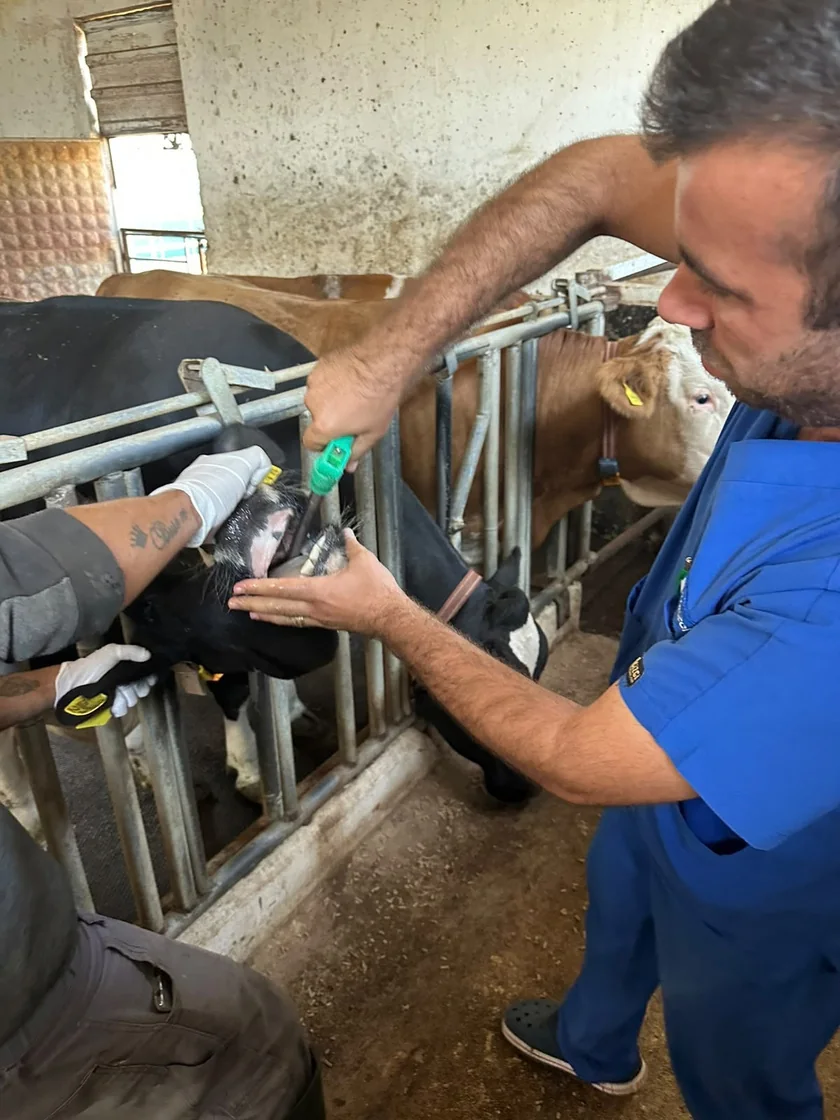
What is a rumen bolus and how does it work?
A rumen bolus is a small sensor that a veterinarian gives to a cow by mouth. It stays in the rumen and continuously measures the cow's body…
Read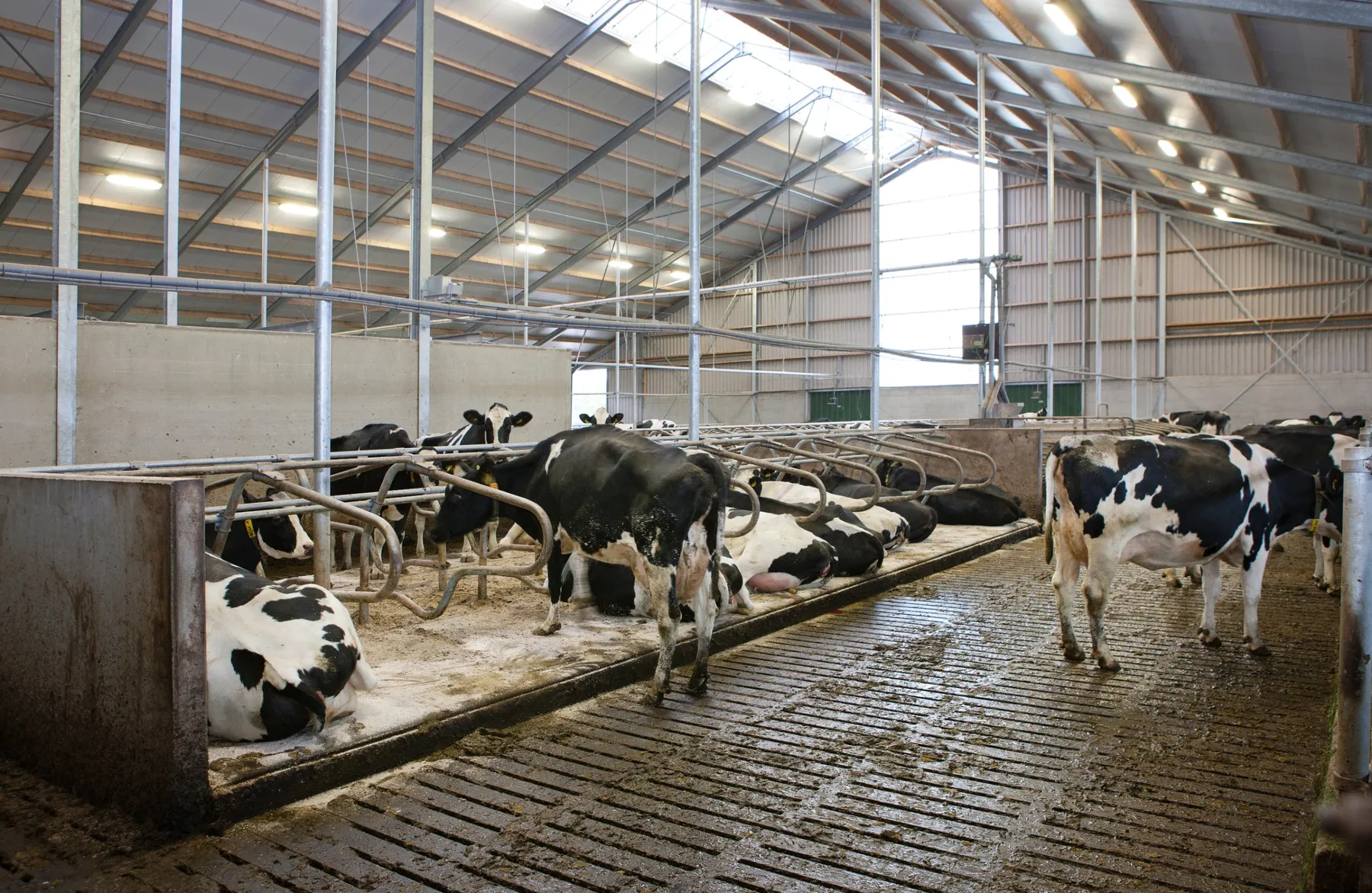
Signs of heat in cows and sensor-based heat detection
The oestrous cycle in cattle averages 21 days, and standing heat usually lasts only 8–18 hours. Because this short window often begins at night, it…
Read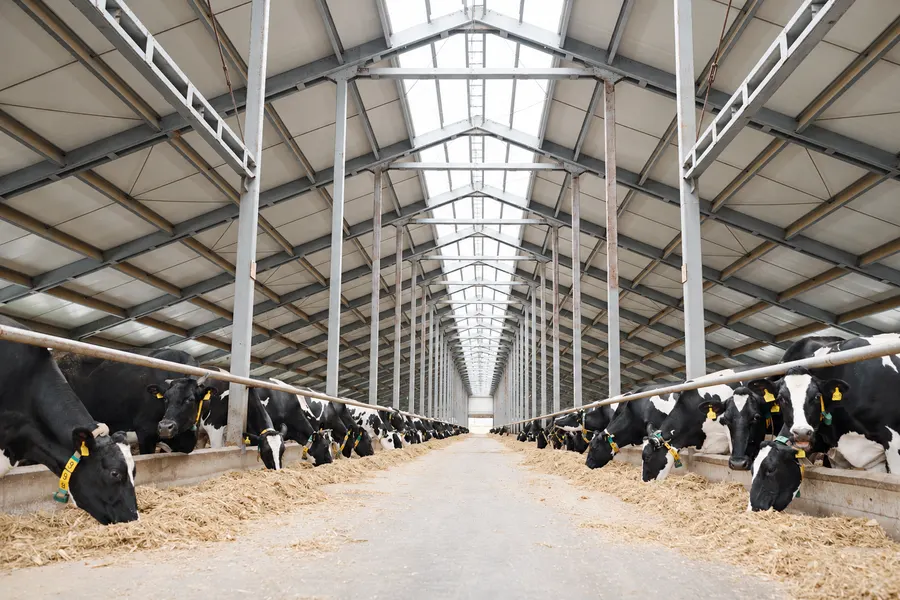
Smart farming technology: a guide to digital livestock farming
Smart farming (precision livestock farming) is an approach that uses sensors, mobile apps and AI to manage animal health, productivity and labour…
Read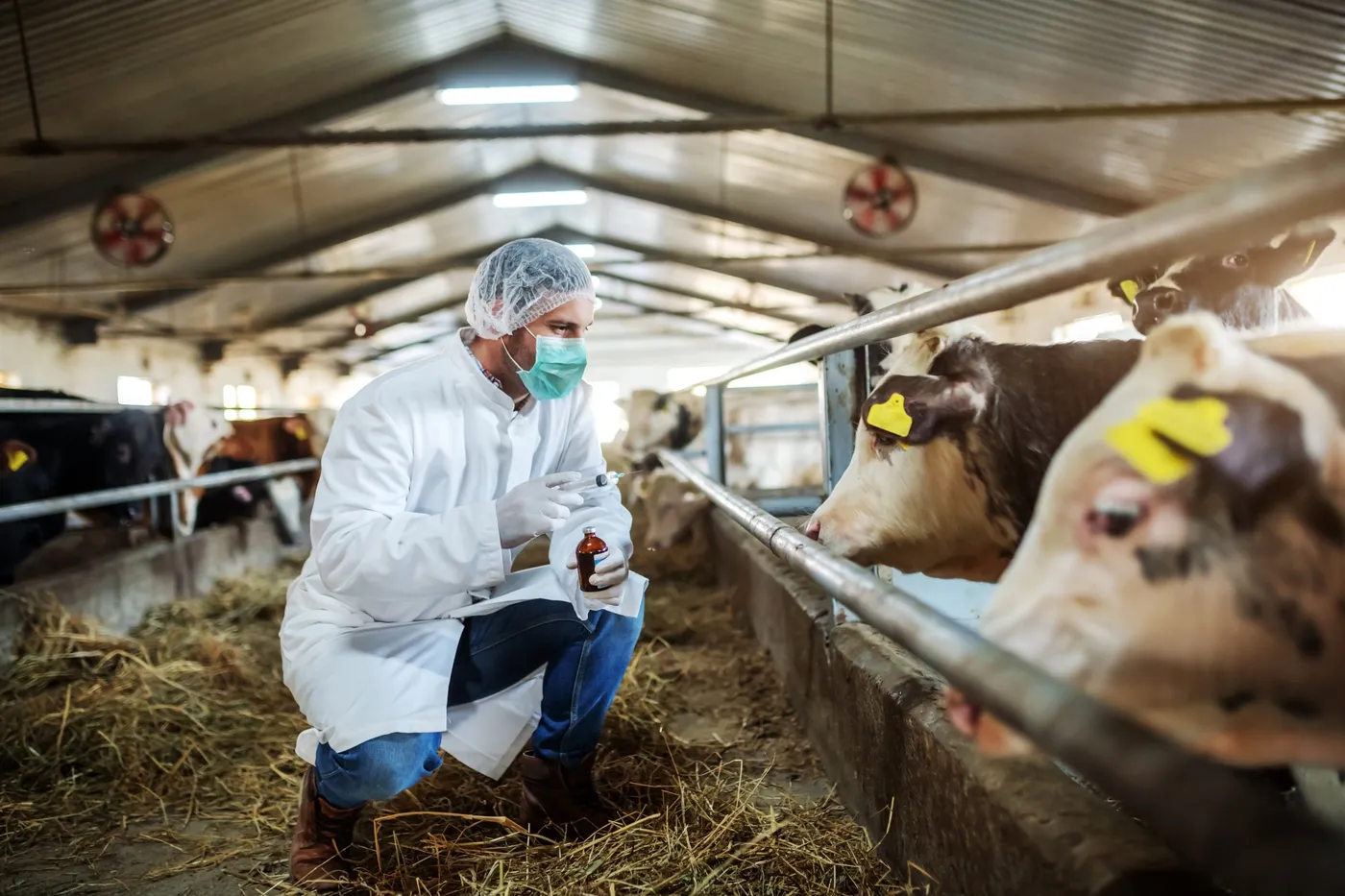
Fever in cows: signs and normal body temperature
A healthy cow’s body temperature is usually around 38–39.5 °C. A temperature clearly above this range is considered a fever and is the first sign of…
Read
Signs of calving in cows and calving monitoring
Gestation in cattle lasts about 283 days on average. As calving approaches, the udder fills, the area around the tailhead sinks, the cow becomes…
Read
Heat stress in dairy cows and THI
Heat stress occurs when a cow cannot shed excess body heat in hot, humid weather. As the THI (temperature-humidity index), which combines temperature…
Read